
Flu Season Preparedness in Canada: Everything You Need to Know
Every year, flu season in Canada affects thousands of individuals and families, leading to missed work, school absences, and increased healthcare visits. While influenza is common, it can also become serious, especially for seniors, young children, pregnant individuals, and people with weakened immune systems.
The good news is that proper flu season preparedness can significantly reduce your risk of getting sick. This guide covers everything Canadians need to know about preventing influenza, recognizing symptoms early, protecting loved ones, and knowing when to seek medical care.
What Is Flu Season in Canada?
Flu season refers to the period when influenza viruses spread most actively across communities. In Canada, flu activity typically begins in late fall, peaks during the winter months, and gradually declines in early spring.
Cold temperatures, indoor gatherings, reduced ventilation, and close contact all contribute to increased transmission during this period.
- Influenza Canada
- Winter illness
- Seasonal flu
- Respiratory infections
- Flu outbreak
- Influenza prevention
Why Flu Season Preparedness Matters
Preparing before influenza starts circulating helps protect both individuals and communities.
Benefits include:
- Lower risk of infection
- Reduced spread to family members
- Fewer severe complications
- Less time away from work or school
- Reduced pressure on healthcare systems
Being proactive is especially important if you live with high-risk individuals.
Common Flu Symptoms
Recognizing influenza early allows you to isolate, rest, and seek treatment if necessary.
Typical flu symptoms include:
- High fever
- Chills
- Persistent cough
- Sore throat
- Runny or stuffy nose
- Muscle aches
- Headache
- Extreme fatigue
- Loss of appetite
Some people may also experience nausea, vomiting, or diarrhea, particularly children.
Flu vs. Common Cold
| Symptom | Flu | Common Cold |
| Fever | Common | Rare |
| Body aches | Severe | Mild |
| Fatigue | Significant | Mild |
| Cough | Common | Sometimes |
| Sneezing | Sometimes | Common |
| Recovery | 1–2 weeks | Few days |
How the Flu Spreads
Influenza spreads through respiratory droplets released when someone:
- Coughs
- Sneezes
- Talks
- Breathes closely around others
The virus may also spread by touching contaminated surfaces and then touching your eyes, nose, or mouth.
Understanding transmission helps reduce exposure.
Best Ways to Prevent the Flu
1. Get Your Annual Flu Vaccine
Vaccination remains one of the most effective ways to reduce the risk of severe influenza.
Benefits include:
- Lower chance of infection
- Reduced hospitalization risk
- Protection for vulnerable family members
- Less severe illness if infected
Because influenza viruses change each year, annual vaccination is recommended.
2. Wash Your Hands Frequently
Good hand hygiene helps prevent viruses from entering your body.
Wash hands for at least 20 seconds using soap and water, especially after:
- Using public transportation
- Shopping
- Coughing or sneezing
- Visiting public places
Alcohol-based hand sanitizer is a good alternative when soap is unavailable.
3. Improve Indoor Air Quality
Fresh air reduces the concentration of airborne viruses.
Simple steps include:
- Opening windows when possible
- Using air purifiers
- Replacing HVAC filters regularly
- Improving ventilation in shared spaces
4. Practice Respiratory Etiquette
Cover coughs and sneezes using:
- A tissue
- Your elbow
- Immediate hand washing afterward
Dispose of used tissues promptly.
5. Stay Home When You’re Sick
If you develop flu symptoms:
- Rest
- Drink plenty of fluids
- Avoid public gatherings
- Limit contact with others
Staying home helps protect coworkers, classmates, and vulnerable community members.
Who Is Most at Risk?
Certain groups are more likely to develop serious influenza complications.
These include:
- Adults over 65
- Children under five
- Pregnant individuals
- People with asthma
- Individuals with diabetes
- Heart disease patients
- People with weakened immune systems
- Residents of long-term care facilities
These individuals should prioritize vaccination and early medical advice.
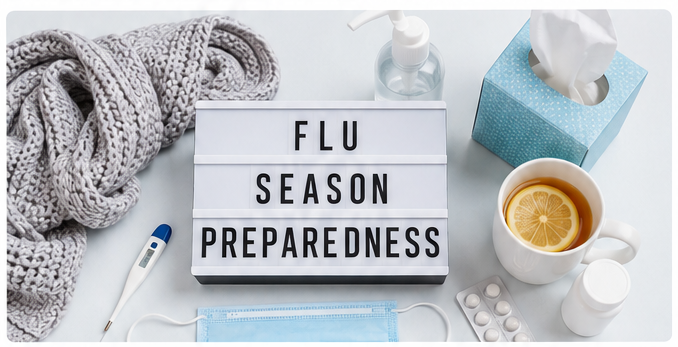
Essential Flu Season Preparedness Checklist
Before flu season begins, make sure your household has:
✅ Thermometer
✅ Fever-reducing medication
✅ Tissues
✅ Hand sanitizer
✅ Disinfecting wipes
✅ Face masks
✅ Electrolyte drinks
✅ Healthy foods
✅ Prescription medications
✅ Emergency contact numbers
Being prepared reduces stress if illness occurs.
Healthy Habits That Strengthen Your Immune System
While no supplement can completely prevent influenza, healthy daily habits support your immune system.
Focus on:
- Getting 7–9 hours of sleep
- Eating fruits and vegetables
- Drinking enough water
- Regular physical activity
- Managing stress
- Avoiding smoking
- Limiting alcohol consumption
Consistency matters more than quick fixes.
When Should You See a Doctor?
Seek medical attention if flu symptoms become severe.
Warning signs include:
- Difficulty breathing
- Chest pain
- Persistent high fever
- Confusion
- Severe dehydration
- Blue lips or face
- Symptoms that improve but suddenly worsen
High-risk individuals should contact a healthcare provider as soon as symptoms appear.
Frequently Asked Questions
How long does the flu usually last?
Most people recover within 5 to 7 days, although fatigue may continue for two weeks or longer.
Can you get the flu even after vaccination?
Yes. However, vaccination often reduces symptom severity and lowers the risk of hospitalization.
Is influenza more serious than the common cold?
Yes. Influenza typically causes higher fever, stronger body aches, and greater fatigue than a common cold.
How can I protect my family during flu season?
Vaccination, regular handwashing, improved ventilation, cleaning high-touch surfaces, staying home when sick, and practicing good respiratory hygiene all help reduce transmission.
Final Thoughts
Flu season is a predictable part of every Canadian winter, but illness doesn’t have to be. Preparing ahead of time through vaccination, healthy habits, proper hygiene, and early symptom recognition can significantly reduce your chances of infection and protect those around you.
Whether you’re protecting yourself, your children, or aging family members, taking preventive action today is the best investment in a healthier flu season. Staying informed and prepared helps keep homes, workplaces, and communities safer throughout Canada’s winter months.